
VMware provides the vC Ops installable software for windows & Linux.VMware also provides the pre-configured vApps to deploy vCenter Operation manager in few clicks and this will be the most common method. If you plan to install it on Linux or Windows hosts, you need to buy license for operating systems along with vC Ops. […]
Creating Network profile for vC Ops 5.8 – Part 2
In this article ,we will see that how to configure the network protocol profile for vC Ops vApps using vSphere web-client. Network protocol profiles provide a network identity to vApps. A network protocol profile is a pre-defined network configuration that is assigned to a network used by a vApps. The vApp can then leverage vCenter […]
vCenter Operations Manager 5.8 Overview – Part1
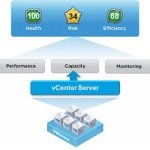
VMware offers vC Ops “aka” vCenter Operations Manager to monitor VMware vSphere and vCloud environments in the most efficient way.It provides the great visibility on VMware infrastructure to the system administrators and stake holders.The most important feature of vC Ops is capacity planning.It projects the resource consumption growth with help of the historical statistics. VMware vSphere […]
Nutanix – Web-Scale Converged Infrastructure

The entire world’s IT infrastructure is driving towards the virtualization to reduce the IT costs by consolidating the small and mid-range workload environments. When it comes to Virtualization, hypervisors are ruling the market and VMware is top among those. Microsoft Hyper-V,Oracle VM for X86 and Redhat Enterprise Virtualization(RHEV) also competing with each other on the hypervisor market along with […]
How to find the Redhat Linux version & Release details ?

Are you new to Redhat Enterprise Linux ? If yes, this article is going to help you to identify the Redhat Linux version, code name, release name and kernel version. You may require those details to check the application compatibility or future Operating system update. By viewing “/etc/redhat-release” file, you can identify the Redhat version. “unmae […]
LDOM – How to find the physical Memory size ?

In UnixArena,we have talked more about LDOM aka Oracle VM for SPARC.But this article will provide the solution to identify the installed physical memory of the server from control domain. There is no direct command available to find out the total physical memory and un-allocated memory from control domain.Once you have set the resources limit […]
Dynamically Adding Memory CPU to VM on VMware
VMware vSphere’s hot-add Memory and hot-plug CPU functions allow you to add the CPU and Memory while virtual machine is up and running. It will help you to add the additional resources whenever required and no need to bring down the VM for each time.But you can’t remove the resources once you have added the […]
Oracle Solaris 11 – Beginners Guide

If you are working as a Sun Solaris system administrator, you know that how rapidly Solaris operating system is changing from version to version. There were a lot difference between Solaris 9 and Solaris 10. But people were able to grab the changes quickly in the past when it was transformed from Solaris 8/9 to […]
VMTurbo 5.0 – Control in the Software Defined Universe
Virualization is very powerful technology but it comes with greater responsibility as well. If you do not configure or maintain your virtual environment properly, it will affect whole environment. Do you would like to know how ? In most of the cases , SAN storage systems will be shared for all the physical and virtual […]
Exadata Storage Cell Commands Cheat Sheet

It is not an easy to remember the commands since most of the UNIX administrators are working on multiple Operating systems and different OS flavors. Exadata and ZFS appliance are adding additional responsibility to Unix administrator and need to remember those appliance commands as well. This article will provide the reference to all Exadata storage […]