
Cloud Computing Trends In 2014 Cloud computing is getting a lot of attention and is being adopted more and more since it has the ability to change according to the needs of businesses. Small businesses can also benefit from providers that offer benefits like big data analytics and application services to incorporate cloud computing in […]
VMware Software Defined DataCenter – SDDC
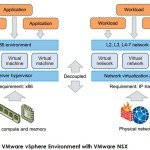
Server virtualization has changed the traditional way of computing completely. In older days , To get the required operating system instance ,we need to wait atleast for atleast for a month.Why because, the procurement team need to get the quote from the hardware vendors, place the order for new hardwares,deploy it in the datacenter and […]
NAKIVO – Testing Flash VM Boot Feature

NAKIVO Launches v5 Beta with Flash VM Boot feature .I have tried the Flash VM Boot on my LAB systems and would like to demonstrate the same here. The Flash VM Boot feature provides the ability to boot VMware VMs directly from compressed and deduplicated VM backups, without recovering the entire VMs first. The backup from […]
How to attach VMware vCenter Server to NAKIVO

NAKIVO Backup & Replication delivers reliable, fast, and affordable VM data protection for VMware environments.To protect the VM’s on the VMware vSphere environment using NAKIVO, You need to attach the vCenter server to NAKIVO Director.There are two type of components involved in NAKIVO Backup & Replication.1. Transporter 2. Director . Multiple transporters can be controlled by […]
NAKIVO Backup & Replication – Appliance Deployment
NAKIVO Backup & Replication is one of the fast growing backup solution software for VMware vSphere and Cloud environments. NAKIVO’s initial version just provided the backup solution for Amazon cloud .From 2013 , NAKIVO provides the Backup & Replication solutions for VMware vSphere environments and Cloud as well. According to the NAKIVO Reports Q3 2014 Results, it has 4,100+ Customers […]
How to add ISCSI Storage to RHEV ?

To store the virtual machines , you need centralized storage like SAN or NFS file server. Not everyone in world can afford the SAN cost since it requires lot hardwares like fiber channel cables, SFP connectors, SAN switches and Storage. But iSCSI storage can be easily setup using the existing system network with commodity hardware […]
How to create a Datacenter and Cluster on RHEV-M ?

Redhat Provides the wonderful administrative portal to manage the Redhat Enterprise virtualization environment. Redhat enterprise virtualization Manager is responsible to provide the administrative portal, user portal and reports portal. Its also manage the virtual objects and maintains the inventory on its own database. It performs the similar operations like VMware vCenter server or Oracle VM […]
How to enable root user on Redhat Hypervisor ?
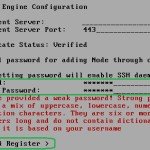
Redhat Enterprise virtualization’s core part is Redhat Hypervisor. I have never been worked such a long hours to get/recover the root password on any Unix/Linux operating system. Even i have recovered VMware ESXi’s root password in quick time. During the Redhat Enterprise virtualization hypervisor’s installation, we will be just setting the user “admin” password. But […]
Redhat Enterprise virtualization Manager – Install & configure
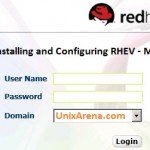
To manage the redhat enterprise virtualization hypervisor (RHEV-H) , you have to configure the Redhat Enterprise Virtualization Manager (RHEV-M) on Redhat Enterprise Linux 6.x operating system. RHEV-M provides a feature rich graphical based web interface to manage the virtual infrastructure from single point. It provides host management ,guest management,storage management and high availability infrastructure. We […]
Redhat Enterprise virtualization- Installing RHEV-H

To install Redhat enterprise virtualization hypervisor(RHEV-H), You need a hardware with “virtualization Technology”(VT-X) enabled processors.Once you have such a hardware ,then you can start installing RHEV-H on it. You need to download the bootable “Redhat enterprise virtualization hypervisor” ISO image from Redhat website with valid subscription. If you do not have one , Redhat is providing 60 days […]