
Azure VMware Solution offers VMware vSphere environment on Cloud. This private cloud will be built from dedicated bare-metal hardware on Azure. The minimum initial deployment is three hosts in AVS. Additional hosts can be added one at a time. This AVS vSphere cluster supports up to 16 hosts per cluster. VMware vSphere private cloud have […]
Azure
Bootstrap Terraform – Let’s create an Azure resource group
Terraform is an open-source infrastructure as a code software tool that provides a consistent CLI workflow to manage hundreds of cloud services. Terraform codifies cloud APIs into declarative configuration files. Terraform is a tool for building, changing, and versioning infrastructure safely and efficiently. Terraform can manage existing and popular service providers as well as custom in-house […]
Azure tag automation using an Initiative definition

Azure tag automation using an Initiative definition. In Cloud, Tags are metadata values that contain keys and values to help users organize and bring governance to cloud resources. Tagging is essential because it helps to efficiently optimize costs across cloud providers by assigning useful information to any resource within your cloud infrastructure. It also helps […]
Azure – How to enable hybrid benefit for windows servers?

Azure – How to enable hybrid benefit for windows servers? Azure Hybrid Benefit for Windows Server allows you to use the on-premises Windows Server licenses (BYOL – Bring your license Model). Microsoft will reduce the instance prize based on your licensing choice. The default “licensing” type is PAYG (Pay as you go) for both Windows […]
Azure – What is Proximity Placement Groups in Azure? Reduce latency?

Would you like to reduce the latency between virtual machines? Have you heard of the proximity placement group? Microsoft Azure is growing rapidly so the datacenters in each region. A proximity placement group is a new resource introduced by Microsoft to make a logical grouping of Azure compute resources to ensure VM’s are physically located […]
Availability set vs Availability zone in azure
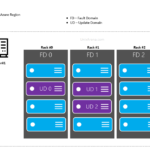
In the Azure world, very often people confuse themselves between availability set and availability zone. Off-course both the technologies are designed to keep the application highly available from a single point of failure from various components or the complete zone itself. But both options are mutually exclusive. In other words, if you choose the availability […]
What is the Availability zone on Azure?

Microsoft Azure offers multiple high availability options to meet customer requirements. Such options really help to build an application with higher SLA levels for their customers. Azure’s availability zone can help you achieve your organization’s reliability goals. Availability Zones are unique physical locations with independent power, network, and cooling. Each Availability Zone is comprised of one […]
Configure Application/Crash consistent backup for VM – Azure

How to configure application-consistent backup on Azure native backup? Backup is extremely important for any services that you use on the cloud. Azure native backup takes VM snapshot and transfers to vault for data protection. In the Azure native backup page, have you noticed three different kinds of restore points? Here are the three different […]
Azure Backup – Recover VM from Crash/ Accidental delete

Backup plays a crucial role in infrastructure management. Backup could be anything like flat files, Operating system files, database files and application files, etc. Backup also needs to be consistent to recovery the respective object failures. This article will walk you through how to recover Azure VM (Windows/Linux) from failure or accidental VM delete. VM […]
How to Enable Azure native backup for Linux & Windows VM?

How to enable Azure native backup for Linux and Windows instances in Azure? To enable the Azure native backup, you need to set up a recovery service vault. Recovery service vault is an online-storage entity in Azure that’s used to hold data, such as backup copies, recovery points, and backup policies. It supports both Local-redundant […]